

Your Complete UK Solar Guide
As of early 2026, the UK solar market has matured into a sophisticated landscape of high-efficiency technology and smart energy integration. With over 1.73 million domestic installations now operational across the country, solar is no longer just about generating power; it is about “avoided costs”—where using your own energy is roughly twice as valuable as selling it back to the grid.
Whether you are looking to cut bills, lower your carbon footprint, or hedge against the volatility of the 2026 energy price cap, here is your essential guide to the financial reality of solar energy this year.
How Much Does A Solar Panel Installation Cost In 2026?
While hardware costs have fallen significantly over the last decade, installation prices have stabilised. Costs vary based on system size, roof complexity, and location.
Typical Residential System Costs
3-Bed Semi-Detached (4kW System)
The average cost for a standard 10–14 panel system. This setup typically generates around 3,400–4,000 kWh per year according to Heatable’s solar panel cost guide.
Solar + Battery
Adding a 5–10kWh battery. While this increases the upfront cost, it can boost your annual savings by up to 30% by storing energy for evening use, based on data from the Save Energy UK payback calculator.
Larger Homes (6kW+)
For a 4-bed detached home requiring more power (panels alone), as outlined in the Optimum Electrics residential solar cost guide.
Breakdown Of Costs
Approximately 60% of your quote covers equipment (panels, inverters, mounting), while 40% covers installation services, including labour, scaffolding, and DNO applications, according to the Optimum Electrics pricing breakdown.
Regional Variations
Where you live matters. Installations in London and the Southeast often carry a 5–10% premium due to higher labour rates and parking logistics. Conversely, projects in Scotland and Northern Ireland may be 8–12% cheaper than the national average, based on analysis from Optimum Electrics.
UK Solar Savings Calculator: What Can You Save?
In 2026, the financial logic of solar relies on “self-consumption.” With the energy price cap setting grid electricity prices around 27–28p per kWh, every unit of solar energy you use at home is worth significantly more than the export rate you get for selling it, as explained by MoneySavingExpert’s solar guide.
Estimated Annual Savings (4kW System)
| System Type | Bill Savings | Export Payments | Total Annual |
|---|---|---|---|
| Solar Only | £400 – £600 | £80 – £170 (SEG) | £550 – £800 |
| Solar + Battery | By storing energy, you increase self-consumption from ~45% to over 70%. This boosts bill savings significantly, though it extends the break-even point slightly due to the initial cost of the battery. | ||
Figures based on data from Heatable.
Payback Period
Most systems break even in 8 to 12 years. With a battery, this may extend slightly to 12–14 years, though you gain energy independence and protection from blackouts, according to Heatable’s payback estimates.
Government Incentives, Grants, and Policy
The “free solar” era of the Feed-in Tariff is over, but targeted schemes and tax breaks remain highly active in 2026 to help reduce costs.
The most accessible incentive is the 0% VAT rate on the supply and installation of energy-saving materials. This applies to solar panels and, crucially, to standalone battery storage (as of February 2024).
The Benefit: On an £8,000 installation, this saves you approximately £1,600 upfront.
Expiry: This relief is legislated to run until 31 March 2027, as confirmed by Prostar Energy.
The SEG ensures you get paid for electricity sent back to the grid. Large suppliers must offer a tariff, but rates vary wildly.
Standard Rates: Can be as low as 1p to 5p per kWh.
Exclusive Rates: Suppliers like Octopus Energy, OVO, and Good Energy offer rates between 15p and 29p per kWh if you are also their energy customer. Octopus Energy’s “Intelligent Flux” tariff, for example, can pay highly for peak-time exports, as detailed in MoneySavingExpert’s SEG tariff comparison.
Requirement: Your installation must be MCS certified to qualify, as outlined in the same MoneySavingExpert guide.
Running until March 2026, ECO4 focuses on low-income and energy-inefficient households (EPC ratings D–G).
Eligibility: You may qualify for 100% funding if you receive means-tested benefits (e.g., Universal Credit, Pension Credit) or have a household income under £31,000.
Heating Rule: To get solar panels specifically, homes usually need to be electrically heated.
LA Flex: Local councils can refer households that don’t receive benefits but face fuel poverty or health vulnerabilities, as explained by P4 Solar.
Launched in April 2025 to replace the Home Upgrade Grant (HUG), this scheme targets low-income households in specific postcodes or those on benefits.
The Offer: It provides up to £15,000 for energy performance upgrades, including solar panels and low-carbon heating.
Eligibility: Typically requires an EPC rating between D and G and an income below £36,000, according to SunSave’s grants guide.
For businesses, the Full Expensing scheme allows companies to write off 100% of the cost of qualifying plant and machinery (including solar panels) against taxable profits in the year of investment. This is currently available until March 2026, as reported by Prostar Energy.
Summary Checklist for 2026
- Get a DNO Application: If your system is larger than 3.68kW (per phase), your installer must submit a G99 application before installation. Smaller systems use the simpler G98 process, explained in the Solar Together DNO application guide.
- Check Technology: Look for N-Type monocrystalline panels for better efficiency (often >22%) and longevity compared to older P-Type models, as recommended in the Neexgent panel selection article.
- Secure MCS Certification: Ensure your installer is MCS certified; without this, you cannot claim SEG export payments, according to the Renewable Energy Hub certification guide.
Learn More About Solar
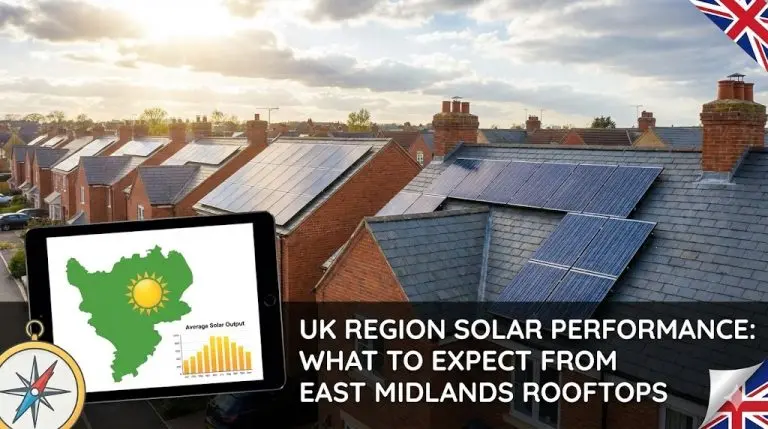

UK region solar performance: What to expect from East Midlands rooftops
UK Region Solar Performance: What to Expect from East Midlands Rooftops While the sunny South…

Solar installer checklist for homeowners in Retford
The Ultimate Solar Installer Checklist for Retford Homeowners (2026 Edition) For homeowners in Retford, the…
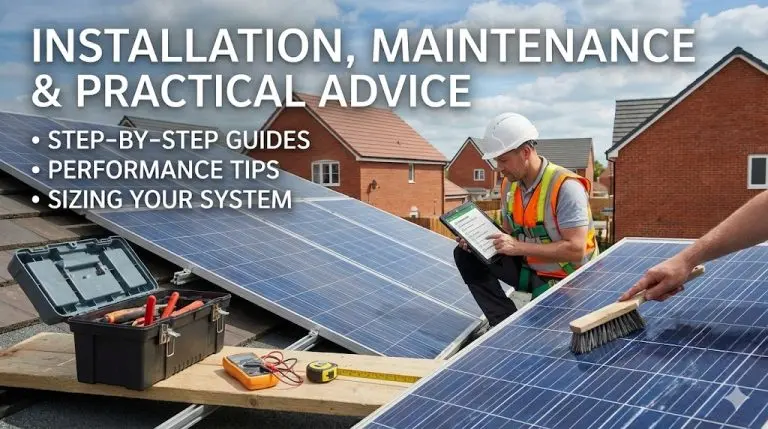
Installation Guides, Practical Advice & Maintenance Tips
The Practical Guide to Solar: Installation, Grid Connections & Maintenance Installing solar panels is a…
